
This site is being rebuilt by a third-party agency. Content may not accurately reflect Neat With Ease LLC or its affiliates. Please contact Hadiyah directly at
or by phone at
Why This Work Matters To Me
By Hadiyah R. Alexander
If someone had told me about a little over a year ago that I would be saying goodbye to my mother for the last time, I would have laughed, shaken my head, and walked away. There was no preparing for that moment—no way to soften the impact of holding her hands on November 6, 2024, at 11:00 a.m., and feeling them grow cold. It was, without question, the hardest thing I’ve ever experienced. And yet, here I am mid-November 2025, finally able to put those words on paper without completely falling apart.
Grief has a way of reshaping you. It slows you down, opens you up, and forces you to look at life differently. One of my siblings said recently, “It hurts so bad because we were loved SO MUCH,” and nothing has ever felt truer.
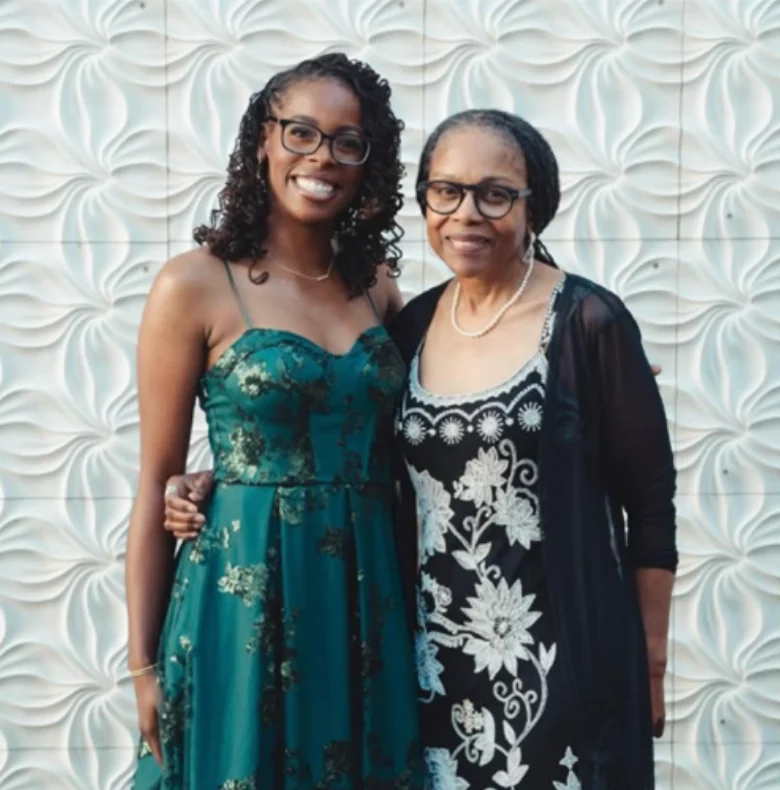
Our mother was the phenomenal woman in our lives—my first and loudest cheerleader—who encouraged every accomplishment and reminded me constantly how proud she was. She also struggled with clutter, something I now understand more deeply through the lens of loss, trauma, and healing.
In my work as a professional organizer, connection is everything. I never step into a client’s home just to rearrange belongings; I step into their story. Together, we talk about the weight behind the clutter—because there’s always something there:
Working through a home often means working through a heart.
Recently, during a NAPO-AZ meeting, a speaker shared something that struck me to my core:
Trauma comes first—then the clutter.
Not the other way around. Hearing that felt like someone naming a truth I had been living but hadn’t fully articulated. It explained my mother. It explained me. And it explains so many of the people I meet.
Grief doesn’t just show up emotionally—it shows up in your environment. When we’re hurting, our homes feel heavier. Decision-making gets harder. Motivation fades. Routines fall apart. That’s why finding outlets—movement, journaling, community, therapy, and yes, hands-on help with your space—matters so much. Your home can become either an anchor or an added weight, and part of healing is gently shifting it back into something that supports you.
If there is a purpose to the path I’ve walked—through grief, through generational patterns, through my own healing—it’s to be a guide for those who are ready to ask for help. If I can hold space for someone the way others held it for me, if I can help them create a home that feels peaceful during a season that feels anything but, then I consider myself blessed.
I share all of this to remind you that whatever trauma or transition you’re facing, you’re not alone. Even the person guiding you through decluttering, organizing, or rebuilding your home may be moving through their own grief as well. Healing doesn’t require perfection—it requires connection, compassion, and the willingness to take small steps forward.
Before you move on with your day, I invite you to pause—just for a moment. Take one slow breath. Notice where you are. If it feels right, choose one small, manageable step: open a window, clear a single surface, light a candle, write down a thought, or simply rest. There’s no rush and no “right” way to move forward. Healing happens in quiet moments and gentle choices. Wherever you are today, let that be enough—and know you’re supported as you take your next step, however small it may be.
Written by Hadiyah and featured on the NAPO national blog.
Make Space For What Matters Most